
 Wine Shop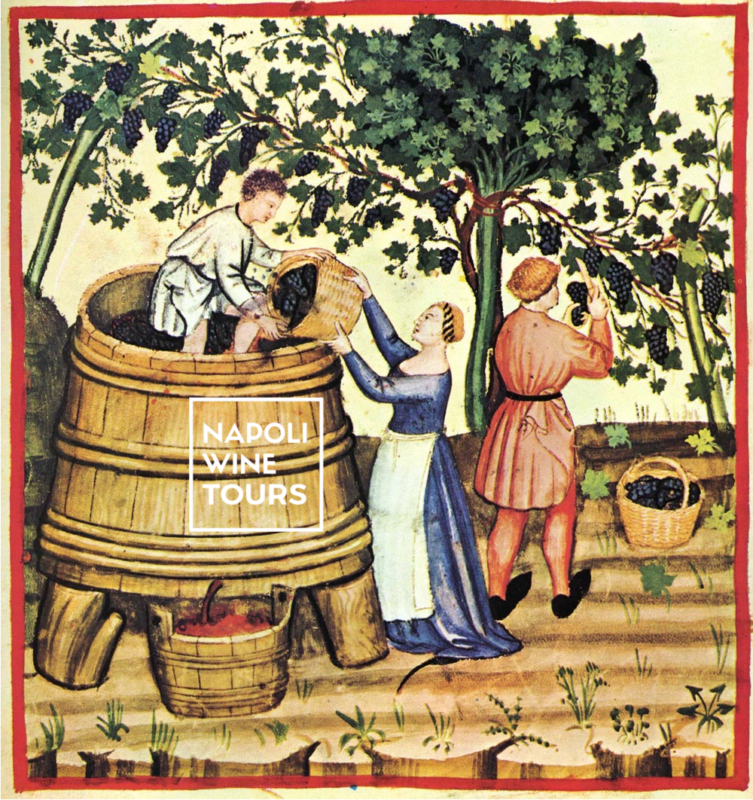
[:it]Il primo Maggio, La festa dei Lavoratori.
Inutile ripercorrere le origini storiche di questo giorno di festa internazionale poiché non è il luogo, ma trarne spunto per approfondire il “lavoro” che gira intorno al vino è sicuramente una cosa giusta!
Il vino dalle sue origini ad oggi ha percorso molta strada; un tempo considerato un alimento, che aiutava i lavoratori delle campagne a sostentarsi, oggi è quasi diventato uno status symbol!
Quindi dovremmo proprio partire da quei contadini che un tempo producevano questa bevanda considerata come nutrimento familiare, spesso come medicina. A loro va il nostro merito per i sacrifici portati nella vigna, per il lavoro, per la cura nel nutrire la vite che durante tutto l’anno richiede grandi attenzioni. Un grazie a quegli uomini che con la loro passione hanno protetto le biodiversità, i suoli e le tradizioni. Un applauso a quegli uomini che guardano ancora al cielo ed alla terra con occhi di gratitudine. Questi uomini esistono ancora, sono i vignaioli che hanno deciso di portare avanti dei sistemi produttivi “non convenzionali”, sono quelli che avendo o no sposato colture biologiche o biodinamiche producono i loro vini spinti da passione. Senza entrare nelle tante polemiche che infiammano i tavoli di discussione sull’argomento, ci interessa sottolineare solo il valore dell’artigianalità, della cura amorevole, della passione che si legge negli occhi di questi uomini. Un consiglio che posso darvi è quello di visitare una piccola cantina che lavora nel rispetto della natura, senza utilizzare le grandi tecnologie offerte dalla modernità, ma usando solo il savoir-faire appreso da anni di tradizioni tramandate.
Da questa immagine romantica della figura del vignaiolo, passiamo alla realtà del business vitivinicolo! Poiché anche qui parliamo di “lavoro”; i cosiddetti WINEJOB sono in massima espansione, oltre alle professioni ad altissima formazione e competenza come gli enologi, altre centinaia di figure professionali gravitano intorno ad una bottiglia di vino! E giusto per citarne qualcuno cominciamo dai vendemmiatori, passando per i cantinieri, arrivando ai “buyers”, non dimenticando i distributori, e gli enotecari ed infine i sommelier che si occupano dell’ultimo momento di vita del vino: la stappatura!
Poi in altra sede ci occuperemo dei WINE BLOGGER ! Nell’introduzione parlavamo di vino come status symbol? Direi proprio di si poiché malauguratamente oggi in tanti dimenticano la poesia delle origini naturali del vino e si limitano a sorseggiare un Petrus, piuttosto che un Batard Montrachet, o un Sassicaia senza soffermarsi sull’aspetto più importante: se quel sorso è così gradevole è perché c’è il lavoro di centinaia di uomini!
Ora, per portarvi un esempio delle emozioni che regalano il lavoro e la fatica della vigna ho scelto una piccola realtà campana.
Azienza Agricola Adelina Molettieri, si trova a Montemarano. Luogo altamente vocato per la produzione di aglianico e di conseguenza di grandi Taurasi. In contrada Chianzano si trova questa piccola realtà a conduzione familiare. Adelina ed i suoi figli Marco e Raffaele producono il vino come lo hanno visto fare da sempre, curano la vigna come se fosse un membro della famiglia. Nella loro voce si sente il terrore se in agosto il meteo annuncia grandine, oppure se si annunciano gelate fuori stagione. Dedicano le loro energie alla vigna, non usano prodotti di sintesi, in cantina portano un’uva sana che riceverà pochi interventi. Insomma quello che ne risulta è un prodotto autentico che nel pieno rispetto della sostenibilità ambientale mantiene alto lo standard qualitativo dell’aglianico.
Aglianico DOC Cesiné 2011 (100% aglianico) è un vino che stupisce per la fragranza ancora presente dopo 9 anni dalla vendemmia. Marasca, prugna, pepe verde, un accenno di liquirizia. Il tannino potente, ma non aggressivo e l’acidità ancora presente ci fanno l’occhiolino suggerendoci di stappare questa stessa annata tra 5 anni…per avere altre soprese.
Ma come Adelina Molettieri sono tanti i vignaioli che lavorano duramente, a loro il nostro grazie poiché se non ci fossero loro….quelle magiche emozioni che ci regala un calice di vino non potrebbero esistere.[:en]May 1st, Labour Day.
It is useless to retrieve the historical origins of this day of international celebration since it is not “where” that counts, but taking inspiration from it for an insight in the “work” involving wine production certainly deserves attention.
From its origins to modern times, wine has come a long way; once considered food which helped rural workers to sustain themselves, today it has almost become a status symbol!
We should actually start from those farmers who once produced this drink selected drink as family nourishment, often as medicine. Our credit goes to them for the sacrifices brought to the vineyard, for the work, for the care in feeding the fields that require great attention throughout the year. Thanks to those men who with their passion have protected biodiversity, soils and traditions. An applause to those men who still look to heaven and earth with eyes of gratitude. It is the winemakers who have decided to carry on the “unconventional” production systems. They are those who have or have not developed organic or biodynamic crops in their wines driven by passion. Without going into the controversies that inflame the discussion tables on the subject, we are only interested in emphasizing the value of craftsmanship, the care of love, the care that if it is read in the eyes of these men. A tip I can give you is to visit a small winery that works respecting nature, without using the great technologies offered by modernity, but using only the savoir-faire learned after years of handed down traditions.
From this romantic image of the winemaker figure, let’s move on to the reality of the wine business. For here too we speak of “work”; the so-called “winejobs” are booming, in addition to professions with the highest training and competence such as winemakers, hundreds of other professional figures gravitate around a bottle of wine! And just to name a few, let’s start with the grape harvesters, passing through the cellar-men, getting to the “buyers”, not forgetting the distributors, the wine-shops and finally the sommeliers who take care of the last moment of life of the wine: uncorking!
Then elsewhere we will deal with WINE BLOGGERS! Did we talk about wine as a status symbol in the introduction? I would say yes because unfortunately today many forget the poetry of the natural origins of wine and simply sip a Petrus, rather than a Batard Montrachet, or a Sassicaia without dwelling on the most important aspect: if that sip is so pleasant it is because there is the work of hundreds of men!
Now, to give you an example of the emotions that the work and the effort of the vineyard give, I have chosen a small producers from Campania.
Azienda Agricola Adelina Molettieri, is located in Montemarano. Highly suited place for the production of Aglianico and consequently of large Taurasi. This small family-run business is located in the Chianzano district. Adelina and her sons Marco and Raffaele produce wine as they have always seen it making. They take care of the vineyard as if it were a member of the family. Terror is felt if in August the weather announces hail, or if frosts are announced out of season. They dedicate their energies to the vineyard, they don’t use synthetic products, they bring healthy grapes to the cellar that will receive few interventions. In short, what results is an authentic product that in full respect of environmental sustainability keeps the quality standard of Aglianico constantly high.
Aglianico DOC Cesiné 2011 (100% Aglianico) is a wine that amazes for its fragrance still present after 9 years from the harvest. Morello cherry, plum, green pepper, a hint of liquorice. The powerful, but not aggressive tannin and the acidity still present wink at us, suggesting that we uncork this same vintage in 5 years … to unveil other surprises.
But like Adelina Molettieri there are many vintners who work hard, our thanks to them because if they weren’t there… those magical emotions that a glass of wine gives us could not exist.
[:fr]Le 1er mai, fête des travailleurs.
Inutile de retracer les origines historiques de la journée internationale des travailleurs car ce n’est pas le lieu, mais s’en inspirer pour approfondir le “travail” qui tourne autour du vin est certainement une bonne idée!
Le vin de ses origines à aujourd’hui a parcouru un long chemin; autrefois considéré comme un aliment qui aidait les travailleurs ruraux à subvenir à leurs besoins, il est aujourd’hui presque devenu un symbole de statut social!
Nous devons donc vraiment partir de ces agriculteurs qui ont autrefois produit cette boisson considérée comme une nourriture familiale, souvent comme un médicament. Notre crédit leur revient pour les sacrifices apportés à la vigne, pour le travail, pour le soin de nourrir la vigne qui tout au long de l’année demande une grande attention. Merci à ces hommes qui, par leur passion, ont protégé la biodiversité, les sols et les traditions. Un applaudissement à ces hommes qui regardent toujours le ciel et la terre avec des yeux de gratitude. Ces hommes existent toujours, ce sont les vignerons qui ont décidé de mettre en œuvre des systèmes de production “non conventionnels”, ce sont eux qui, engagés ou non en des cultures biologiques ou biodynamiques, produisent leurs vins animés par la passion. Sans entrer dans les nombreuses controverses qui enflamment les tables de discussion sur le sujet, nous ne voulons que souligner la valeur de l’artisanat, le soin affectueux, la passion qui se lit aux yeux de ces hommes. Une astuce que je peux vous donner est de visiter une petite cave qui travaille dans le respect de la nature, sans utiliser les grandes technologies offertes par la modernité, mais en utilisant uniquement le savoir-faire acquis au fil des années de traditions transmises.
A partir de cette image romantique de la figure du vigneron, passons à la réalité du monde du vin! Car ici aussi on parle de “travail”; les soi-disant WINEJOBS sont en pleine expansion, en plus des professions hautement qualifiées comme les œnologues, des centaines d’autres figures professionnelles gravitent autour d’une bouteille de vin! Pour n’en citer que quelques-uns, commençons par les vendangeurs, en passant par Maître de chai, en arrivant chez les “acheteurs”, sans oublier les distributeurs, les cavistes et enfin les sommeliers qui s’occupent du dernier moment de la vie du vin: le débouchage!
Ensuite, nous nous occuperons des BLOGGERS DE VIN! Avons-nous parlé du vin comme symbole de statut social dans l’introduction? Eh bien je dirais c’en est le cas, car malheureusement aujourd’hui trop souvent on oublie la poésie des origines naturelles du vin et sirotent un Petrus, plutôt qu’un Bâtard Montrachet, ou un Sassicaia sans s’attarder sur l’aspect le plus important: si cette gorgée est si agréable c’est parce qu’il y a le travail de centaines d’hommes!
Maintenant, pour vous apporter un exemple des émotions qui donnent le travail et l’effort de la vigne, j’ai choisi une petite réalité en Campanie.
La société agricole Adelina Molettieri est située à Montemarano. Zone dominé par la production de l’Aglianico et par conséquent on y produit les grands Taurasi. En « Contrada Chianzano » on trouve cette petite entreprise familiale. Adelina et ses fils Marco et Raffaele produisent du vin comme ils l’ont toujours vu faire et ils s’occupent du vignoble comme s’il faisait partie de la famille. Dans leur voix, la terreur se fait sentir si en août la météo annonce la grêle, ou si les gelées sont annoncées hors saison. Ils consacrent leurs énergies au vignoble, ils n’utilisent aucun produits synthétiques, ils apportent des raisins sains à la cave qui ne recevront que peu d’interventions. En bref, il en résulte un produit authentique qui, dans le plein respect de la durabilité environnementale, maintient le niveau de qualité d’Aglianico élevé.
Aglianico DOC Cesiné 2011 (100% aglianico) c’est un vin qui surprend par le parfum encore présent après 9 ans de la vendanges. Cerise griotte, prune, poivre vert, une idée de réglisse. Le tanin puissant mais pas agressif et l’acidité toujours présente nous font un clin d’œil, suggérant de déboucher ce même millésime dans 5 ans … pour avoir d’autres surprises.
Mais comme Adelina Molettieri il y a beaucoup de vignerons qui travaillent dur, merci à eux car s’ils n’étaient[:]
